The four checklists
What every household needs.
At home: water, food, and power
For staying put after a quake, a storm, or a long outage. Sized for a 3-day outage like the one in December 2025.
18 tasks Plain-text version
Tasks for your family
Water
Store drinking water
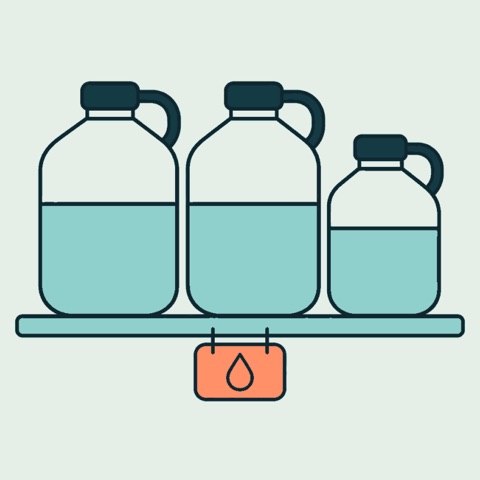
One gallon per person per day. Use 7-gallon jugs or cases of bottles.
Safety: Check the expiration date on store-bought water. Water you bottle yourself: replace it every 6 months.
For your household: Your amount comes from the check.
- Cost
- Under $25
- Time
- About an hour
Keep a way to treat water
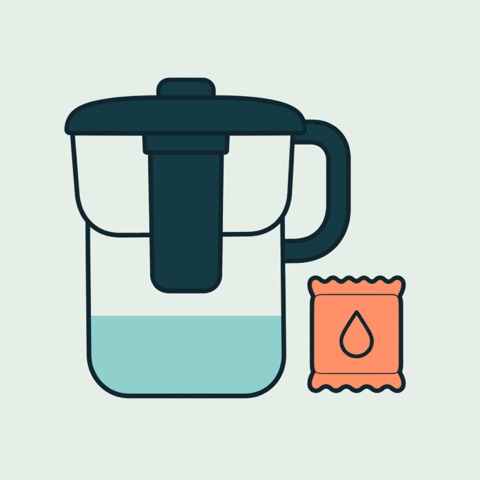
Plain, unscented bleach treats clear tap water if your stored water runs out. Keep the dosing steps with the bottle.
Safety: Bleach and boiling can't make water with fuel or chemicals in it safe: find another source. Bleach doesn't kill every germ, including Cryptosporidium. Never drink from radiators or boilers.
Tell me more: Keep a way to treat water
Use plain, unscented bleach labeled 5 to 9 percent. Add 8 drops per gallon of clear water, stir, and wait at least 30 minutes. If the water is cloudy, filter it through a clean cloth first, then use 16 drops. Boiling is better when you can: a rolling boil for 1 minute, 3 minutes above 6,500 feet.
- Cost
- Under $25
- Time
- About 10 minutes
Store water for your pets
If you have pets
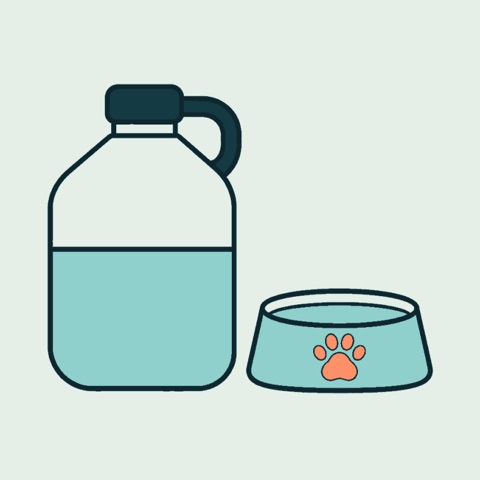
Pets need their own water, on top of the household's.
For your household: Your amount comes from the check.
- Cost
- Under $25
- Time
- About 10 minutes
Food, cooking, and medicine
Stock food your family already eats
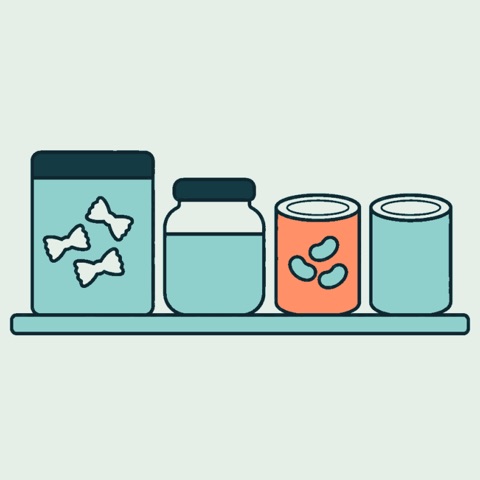
Skip the survival buckets. Plan the first 3 days with no cooking, and one burner after that.
For your household: Your amount comes from the check.
Tell me more: Stock food your family already eats
Count meals, not cans: three per person per day. Buy a few extra of what you already eat each shop, and eat the oldest first.
- Cost
- $25 to $100
- Time
- About an hour
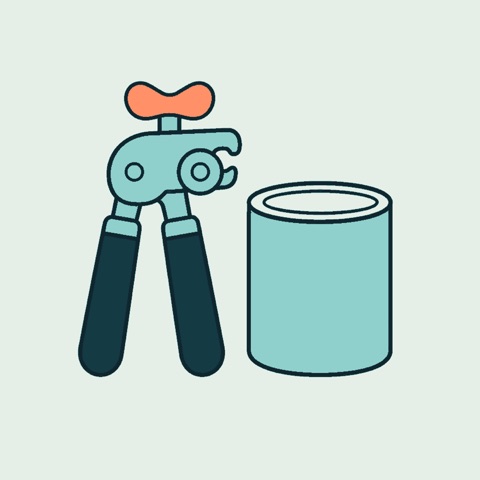
Keep a manual can opener
Canned food is no use if the only opener is electric.
- Cost
- Under $25
- Time
- About 5 minutes
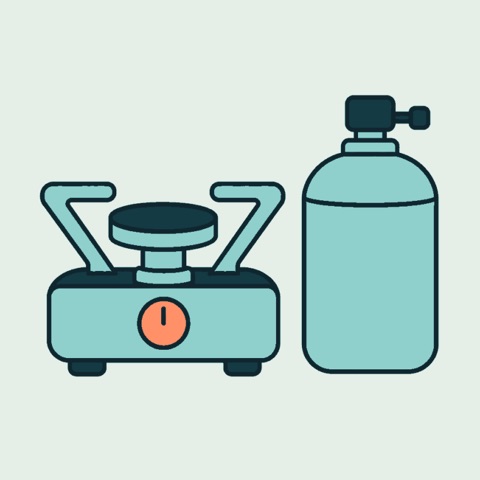
Get a camp stove and fuel
For hot meals after the first few days. Use it outdoors only.
Safety: Outdoors only. Never use a camp stove indoors. Camp stoves give off carbon monoxide.
- Cost
- $25 to $100
- Time
- About 20 minutes
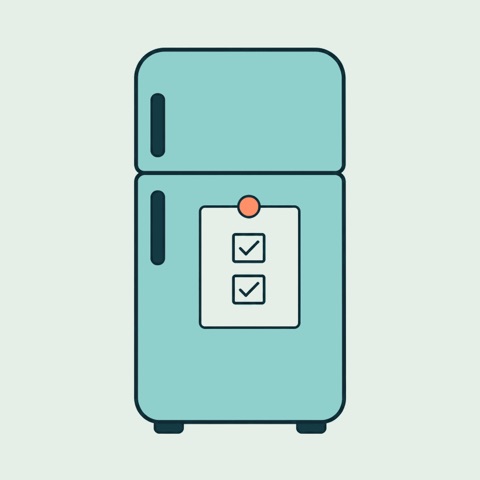
Post the fridge rule on the fridge
A closed fridge stays cold about 4 hours. A full freezer lasts about 48 hours, a half-full one about 24. After 4 hours without power, throw out refrigerated meat, fish, eggs, milk, and leftovers. Throw out any perishable food that has been above 40°F for 2 hours or more.
- Cost
- Free
- Time
- About 5 minutes
Store infant formula
If you have a baby on formula
Stores can close or run out. Keep ready-to-feed formula, the kind that needs no water, for the same number of days as your food and water.
Safety: Never water formula down to make it last: too much water may not meet your baby's needs. If you must use powder, mix it with bottled water, in the exact amounts on the can. Use it within 1 hour of starting a feeding and within 2 hours of mixing it, and throw out what's left.
Tell me more: Store infant formula
Buy the ready-to-feed version of the brand your baby drinks now, in single-use bottles. Add disposable cups or bottles in case you can't wash them.
- Cost
- Under $25
- Time
- About 20 minutes
Stock food for special diets
If someone has a special diet
Keep the same number of days of food for anyone with an allergy or a medical diet.
- Cost
- $25 to $100
- Time
- About 30 minutes
Store pet food
If you have pets
Pet food runs out on the same day the stores close.
For your household: Your amount comes from the check.
- Cost
- Under $25
- Time
- About 15 minutes
Keep a week of medications
If someone takes daily medication
Pharmacies can close or run short. Keep a reserve of each prescription and a written list of doses.
Tell me more: Keep a week of medications
Ask your pharmacist how to build a spare week. Many plans allow a refill a few days early each month. Keep the list of doses with it.
- Cost
- Free
- Time
- About 30 minutes
Light, power, and news
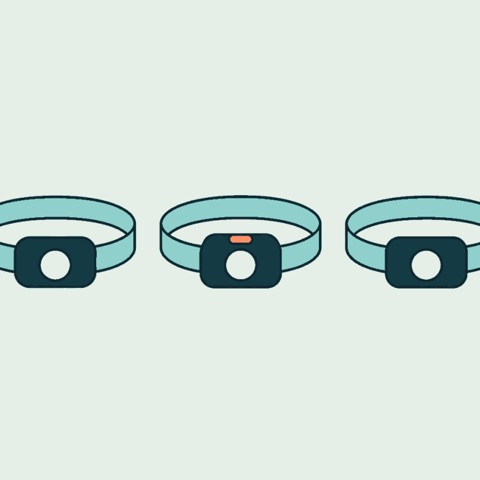
Get a headlamp for each person
Light that leaves your hands free, and safer than candles.
For your household: Your amount comes from the check.
- Cost
- Under $25
- Time
- About 15 minutes
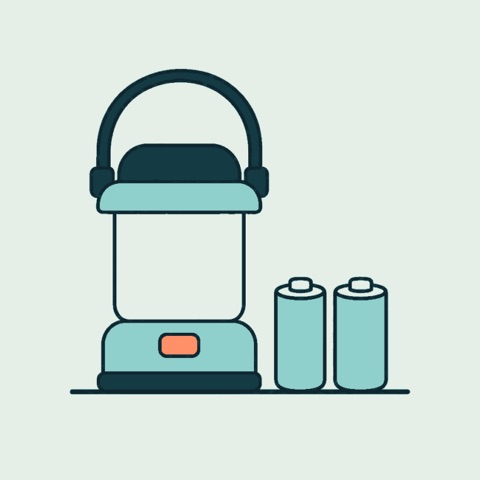
Add a lantern and spare batteries
One lantern lights a room. Spare batteries keep every light running.
- Cost
- Under $25
- Time
- About 10 minutes
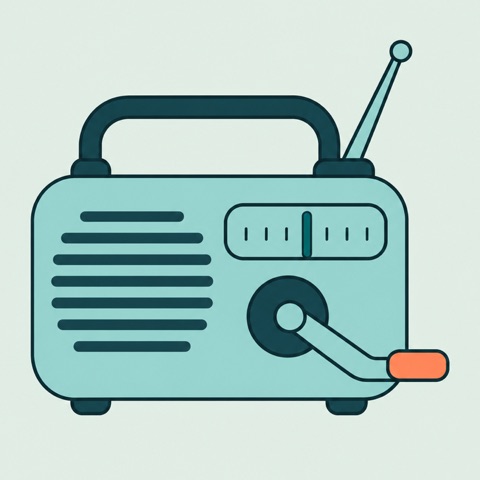
Get a battery or crank radio
NOAA weather radio and AM/FM still work when cell service is down.
- Cost
- Under $25
- Time
- About 10 minutes
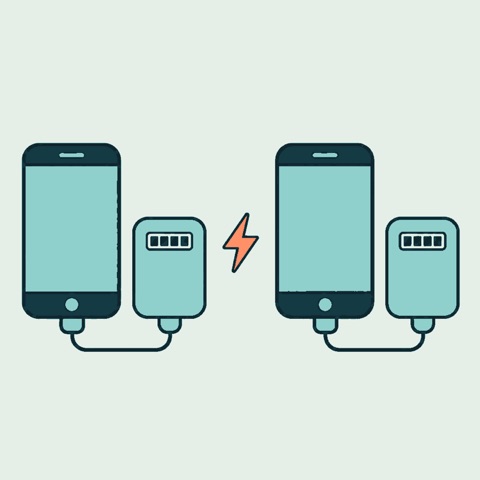
Keep a charged power bank for each phone
Alerts and calls reach you through your phone.
For your household: Your amount comes from the check.
- Cost
- Under $25
- Time
- About 10 minutes
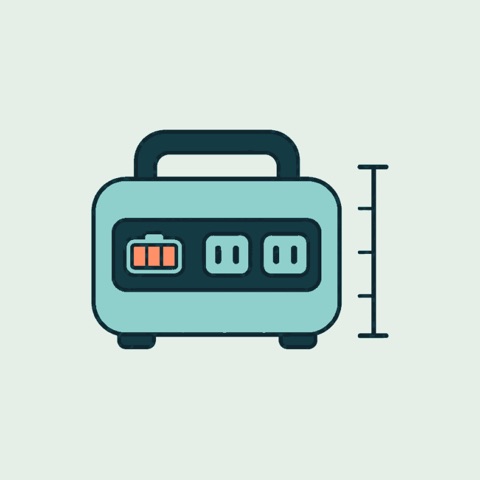
Consider a battery backup or generator
Size it to what you need to run. It will not run your freezer.
Tell me more: Consider a battery backup or generator
Multiply each device's watts by the hours you'd run it, and add them up. Buy a station rated for at least that many watt-hours. One full phone charge takes about 15 to 20 watt-hours (Wh), the unit printed on power banks and stations.
- Cost
- Over $100
- Time
- About 30 minutes
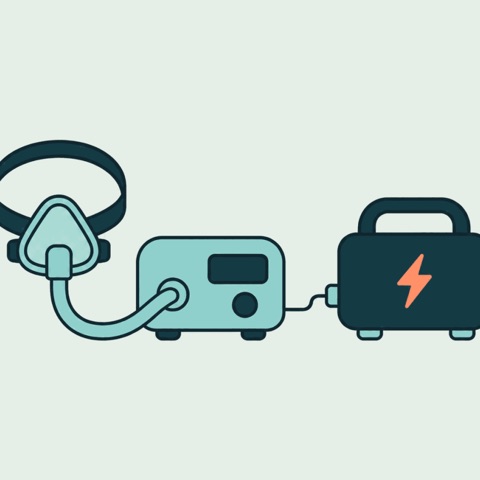
Back up power for a medical device
If someone relies on a powered medical device
If a device someone depends on stops in an outage, that's an emergency in hours, not days. This comes first.
Safety: If the backup will run out before the power comes back, leave early for a place with power. Don't wait until the battery is low.
Tell me more: Back up power for a medical device
Ask the maker or your provider: how long does it run on its battery, how many spare batteries does it need, and how long can you safely go without it? Keep spares charged. Enroll with your utility's program for customers who rely on medical devices (PG&E calls it Medical Baseline), and tell your fire department. Pick a place with power you can go to.
- Cost
- Free
- Time
- About 30 minutes
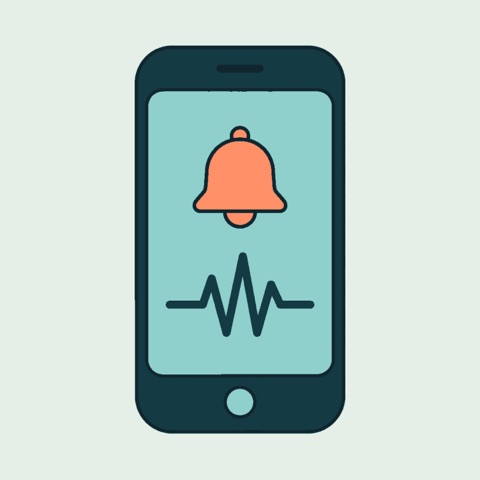
Sign up for local emergency alerts
Your county’s alert system and the FEMA app send warnings to your phone. In California, Oregon, and Washington, the MyShake app adds earthquake warnings.
Tell me more: Sign up for local emergency alerts
Search your county name plus “emergency alerts” and sign up. Then install the FEMA app and add your ZIP code. On the West Coast, also install MyShake.
- Cost
- Free
- Time
- About 10 minutes