The four checklists
What every household needs.
Out of the house: go-bags, your car, and the family plan
For leaving in a hurry, or being away when it happens: a bag for each person, your car, where to meet, and who to call.
16 tasks Plain-text version
Tasks for your family
Go-bags
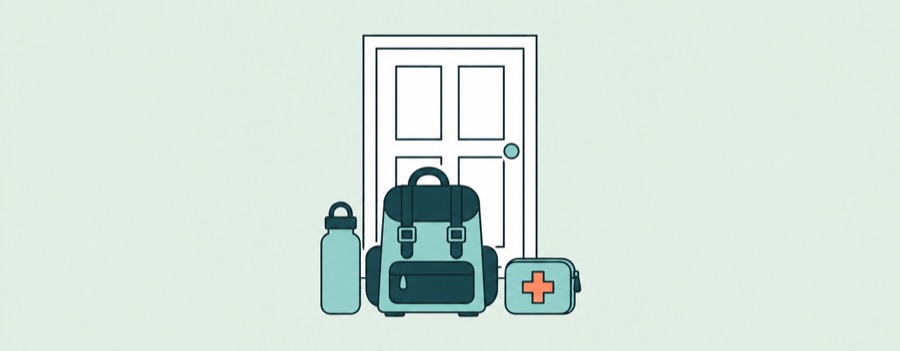
Pack a bag for each person
Ready to leave in ten minutes. Keep the bags by the door or in the car.
For your household: Your amount comes from the check.
- Cost
- $25 to $100
- Time
- About an hour
Add 3 days of water and food
Enough for each person to eat and drink for three days away from home.
- Cost
- Under $25
- Time
- About 20 minutes
Add a week of medications
If someone takes daily medication
A week of each prescription, with the written list of doses.
Tell me more: Add a week of medications
Ask your pharmacist how to build a spare week. Many plans allow a refill a few days early each month. Swap the spare at each refill.
- Cost
- Free
- Time
- About 10 minutes
Add copies of ID and insurance, and small bills
Proof of who you are and what you own, and cash for when card readers are down.
Tell me more: Add copies of ID and insurance, and small bills
Photocopy IDs, insurance cards, and the first page of your home policy. Seal them in a zip bag with some ones and fives.
- Cost
- Free
- Time
- About 30 minutes
Add a phone cable and a power bank
So your phone lasts while you are away from home.
- Cost
- Under $25
- Time
- About 5 minutes
Add N95 masks
For wildfire smoke.
- Cost
- Under $25
- Time
- About 5 minutes
Add a first aid kit
Help can take longer to arrive during a wide emergency.
- Cost
- Under $25
- Time
- About 10 minutes
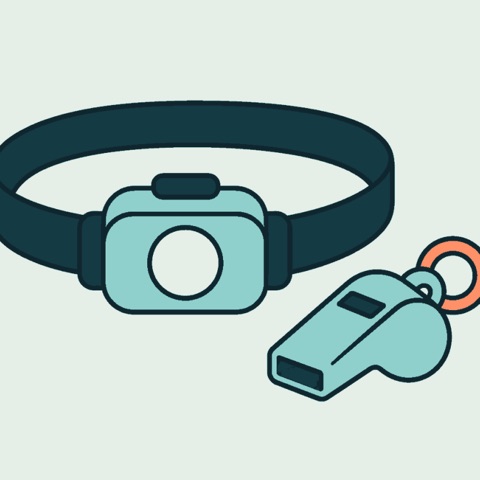
Add a headlamp and a whistle
A headlamp leaves your hands free. A whistle carries farther than a shout.
- Cost
- Under $25
- Time
- About 5 minutes
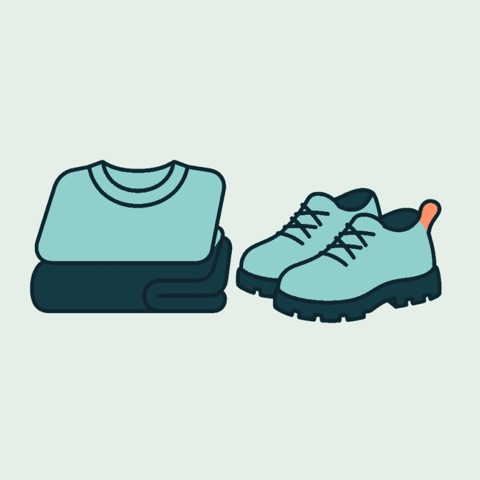
Add a change of clothes and sturdy shoes
You may be away longer than you expect.
- Cost
- Free
- Time
- About 15 minutes
Give each child a small bag of their own
If you have children
With a comfort item and a job, like flashlight captain.
- Cost
- Under $25
- Time
- About 15 minutes
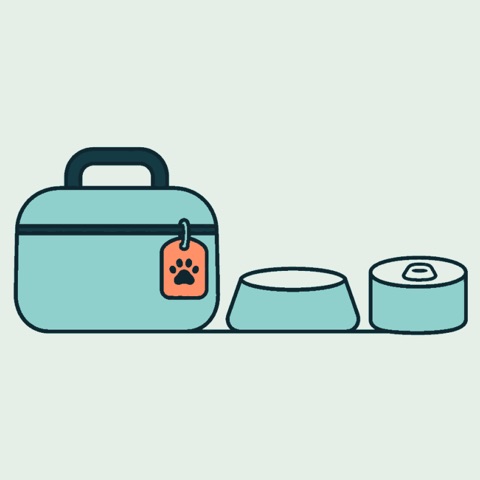
Pack for your pets
If you have pets
A carrier, a leash, food, records, and a recent photo.
- Cost
- $25 to $100
- Time
- About 20 minutes
Post a ten-minute departure list by the door
When you have to leave fast, a list beats memory.
Tell me more: Post a ten-minute departure list by the door
In grab order: people and pets, medications, phones and chargers, go bags, documents, glasses. Tape it inside the front door.
- Cost
- Free
- Time
- About 10 minutes

The family plan
Choose an out-of-area contact
Long-distance calls often connect when local lines are jammed.
Tell me more: Choose an out-of-area contact
A relative or friend in another state. Everyone texts them where they are. Texts often get through when calls don't.
- Cost
- Free
- Time
- About 5 minutes
Pick two meeting places
One near home and one outside the neighborhood.
Tell me more: Pick two meeting places
Near home: a tree or corner on your block. Outside the neighborhood: a library, school, or relative's home.
- Cost
- Free
- Time
- About 10 minutes
Print the family list for every bag
Names, numbers, and meeting places on paper. In an emergency, nobody remembers phone numbers.
- Cost
- Free
- Time
- About 20 minutes
Agree who picks up the kids
If you have children
Schools hold children until an approved adult arrives. Know who is on the list.
Tell me more: Agree who picks up the kids
Ask the school office who is on your child's release list. Add a second adult nearby, and tell your child who it is.
- Cost
- Free
- Time
- About 15 minutes
Get your car ready Not scored
Optional. For households with a car. In a plan it doesn’t count toward the readiness score.
Keep the tank at least half full
Ready.gov says keep a full tank in case you need to leave or the power goes out. Fill up at half.
Tell me more: Keep the tank at least half full
Fill up when the gauge reaches half, not when the light comes on. In extreme cold, the National Weather Service says to keep at least half a tank.
- Cost
- Free
- Time
- About 5 minutes
Pack a car kit
If you are stranded or can't get home, a small kit in the car covers the first hours.
Tell me more: Pack a car kit
In a bag or bin in the trunk: water, a blanket, a flashlight or headlamp with spare batteries, a phone cable and a car charger, a small first aid kit, sturdy walking shoes, a paper map of your area, snacks that keep, and a whistle to signal for help. Check the water and snacks every few months and replace what is old.
- Cost
- $25 to $100
- Time
- About 30 minutes
Carry jumper cables or a jump starter
So a dead battery doesn't leave you stuck. Cables need a second car. A jump starter doesn't.
Tell me more: Carry jumper cables or a jump starter
Keep them in the trunk. Your owner's manual shows where to connect them and in what order: follow it. Keep a jump starter charged the way its maker says.
- Cost
- $25 to $100
- Time
- About 10 minutes
Check the spare, the jack, and the tire pressure
A flat is easier to handle when you know what is in the trunk and that it works.
Tell me more: Check the spare, the jack, and the tire pressure
Find the spare, the jack, and the lug wrench, or the inflator kit some cars carry instead. Your owner's manual shows where they are. Check the pressure in every tire, the spare too, against the sticker in the driver's door jamb, not the number on the tire. A small inflator that plugs into the car helps with a slow leak.
- Cost
- Under $25
- Time
- About 20 minutes
If you drive in snow or ice, add winter gear
Snow and ice can strand you for hours. Skip this one if your winters are mild.
Tell me more: If you drive in snow or ice, add winter gear
Add an ice scraper and brush, a small shovel, a bag of sand or cat litter for traction, extra warm clothes, gloves, and a hat. Before winter, make sure the lights, heater, and wipers work.
- Cost
- Under $25
- Time
- About 20 minutes
Never leave a child or a pet in a parked car
A parked car heats up fast in the sun. The National Weather Service says it is never safe to leave a child, a disabled person, or a pet in a car, even in winter.
Safety: Never leave a child, a disabled person, or a pet in a parked car, even for a minute.
Tell me more: Never leave a child or a pet in a parked car
Look in the back seat every time you lock up. If you have a toddler at home, lock the car even in your own driveway, so they can't climb in.
- Cost
- Free
- Time
- About 5 minutes
Put a contact card and copies of key papers in the glovebox
If your phone is dead or lost, the numbers you need are still on paper.
Tell me more: Put a contact card and copies of key papers in the glovebox
Write your out-of-area contact and two other numbers on a card. Add copies of your insurance card and the car's registration, sealed in a plastic bag. Copies only, never originals. Leave out anything a thief could use: no Social Security numbers, no full account numbers, and no spare house key.
- Cost
- Free
- Time
- About 15 minutes
Know what to do if you are away from home
You may not be together when it happens. Agree now on how you will reconnect.
Tell me more: Know what to do if you are away from home
Use the two meeting places and the out-of-area contact from your family plan. Save them in every phone and on the glovebox card. Decide who picks up the kids and who checks on whom.
- Cost
- Free
- Time
- About 10 minutes
If you take transit, bike, or walk, carry a small kit
A few things in your bag help you get home from wherever you are.
Tell me more: If you take transit, bike, or walk, carry a small kit
A small water bottle, a charged power bank and cable, a small flashlight, a whistle, any daily medicine, a little cash, and your contact card. Wear or pack shoes you could walk home in.
- Cost
- Under $25
- Time
- About 15 minutes