What to buy first, at any budget Draft
You do not need to buy everything at once. Start with $50 and add a step when you can. Each step builds on the one before it, water first.
Prices are for a household of two, before tax, and vary by store. Plain-text version

Three days of water and food
Three days of water and food at home, with no store and no tap water, for two people.
About $48 of $50. This step adds about $48. Each extra person adds about $18 to this step.
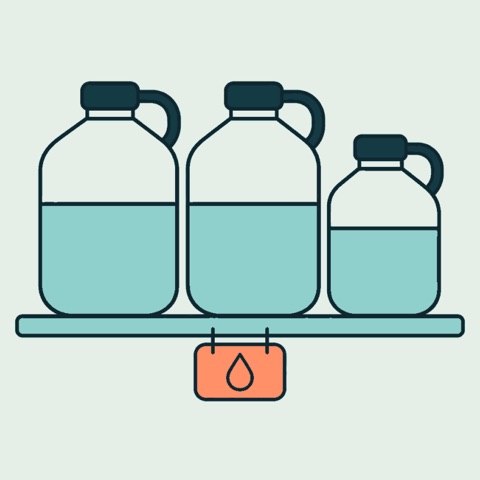
6 gallons of store-bought water
One gallon per person per day, for three days. Check the date on the label of store-bought water.
- About
- $9
- Where
- Grocery store
- More on the checklist
- Store drinking water
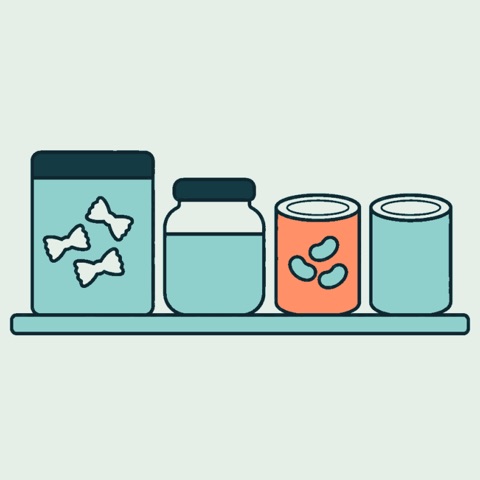
Three days of no-cook food you already eat
Canned tuna or chicken, beans, fruit cups, peanut butter, crackers, and granola bars. Pull-top cans, low salt.
- About
- $27
- Where
- Grocery store
- More on the checklist
- Stock food your family already eats
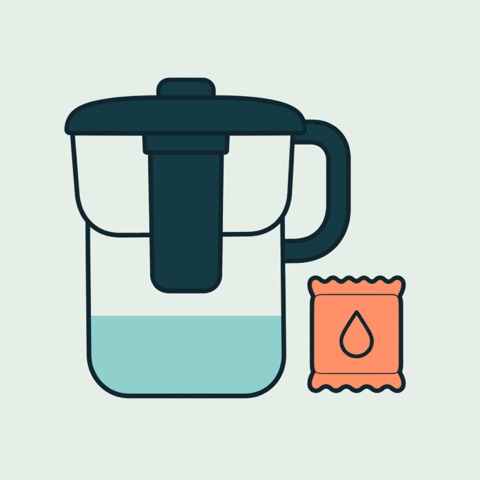
A bottle of plain, unscented bleach (5 to 9%)
Treats tap water if the stored water runs out: 8 drops per clear gallon, wait 30 minutes.
- About
- $4
- Where
- Grocery store
- More on the checklist
- Keep a way to treat water
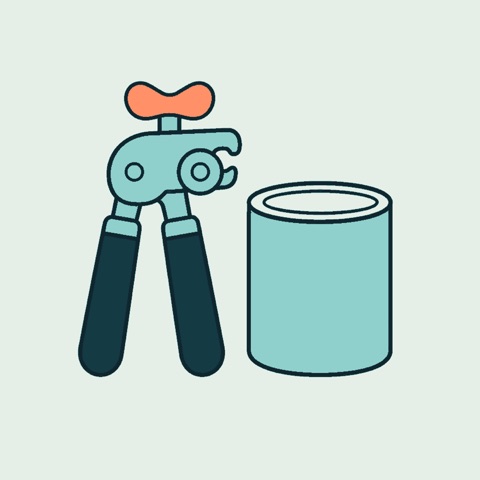
A manual can opener
Skip it if there is one in a drawer already. The cans are useless without one.
- About
- $8
- Where
- Hardware or drugstore
- More on the checklist
- Keep a manual can opener
Before you spend anything: $0
These cost nothing.
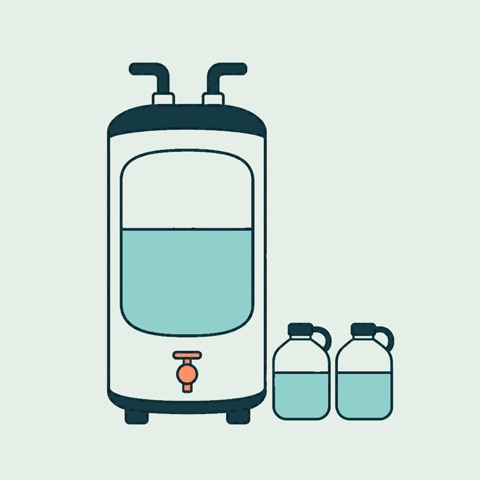
Count the water in your water heater
Your water heater already holds a reserve of clean water. Learn how to drain it before you need it.
How: Turn off its gas or power and let it cool. Close the cold-water valve on top, open a hot tap in the house, then fill clean containers from the drain valve at the bottom.
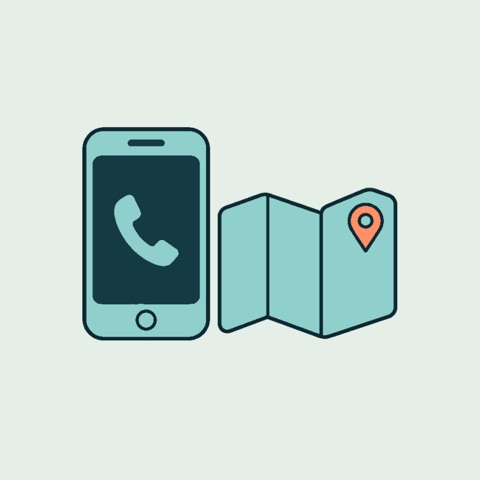
Choose an out-of-area contact
Long-distance calls often connect when local lines are jammed.
How: A relative or friend in another state. Everyone texts them where they are. Texts often get through when calls don't.
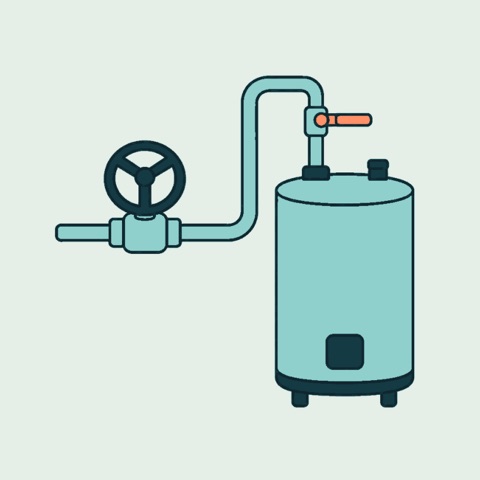
Find the water main and the water heater valve
So you can stop a leak fast after a quake.
How: Look where the water pipe enters the house, often in the garage or near an outside faucet, or in the meter box at the curb. Turn it clockwise to close. The water heater valve is on the cold pipe at the top.
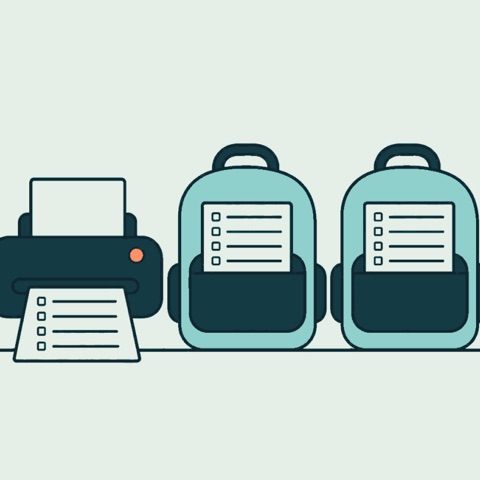
Print the family list for every bag
Names, numbers, and meeting places on paper. In an emergency, nobody remembers phone numbers.
Pick two meeting places
One near home and one outside the neighborhood.
How: Near home: a tree or corner on your block. Outside the neighborhood: a library, school, or relative's home.
Turn on two-factor for your email
Email resets every other account, so it comes first. Use a passkey or a security key if it's offered, then an authenticator app. Use text-message codes only where nothing else is offered.
How: Gmail: Google Account, Security, 2-Step Verification. Outlook: account.microsoft.com, Security. iCloud: Settings, your name, Sign-In & Security. Add a passkey or security key if offered.
Keep a week of medications
Pharmacies can close or run short. Keep a reserve of each prescription and a written list of doses.
How: Ask your pharmacist how to build a spare week. Many plans allow a refill a few days early each month. Keep the list of doses with it.
Past $500
- A power station (about $200 to $300) if anyone uses a CPAP or other powered medical device.
- A go-bag for each person: a backpack you own, a second power bank, a whistle, and copies of your documents.
- Pets: 7 to 10 days of their food and water, and a carrier by the door.
Stretch the money
- Buy one or two extra cans with each regular shop, and eat the oldest first. A week of food builds up in about a month.
- Refill clean soda bottles with tap water for free, and replace them every 6 months.
- Count the water already in your water heater: 30 to 80 gallons most homes forget they have.
- Split bulk buys with a neighbor, and agree to check on each other.
Size the lists to your household.
The free check works out your water, food, and supplies for your people and pets, and counts what you already have.
Start the free check